

Mental Health Blog - Anxiety, OCD and Overwhelm
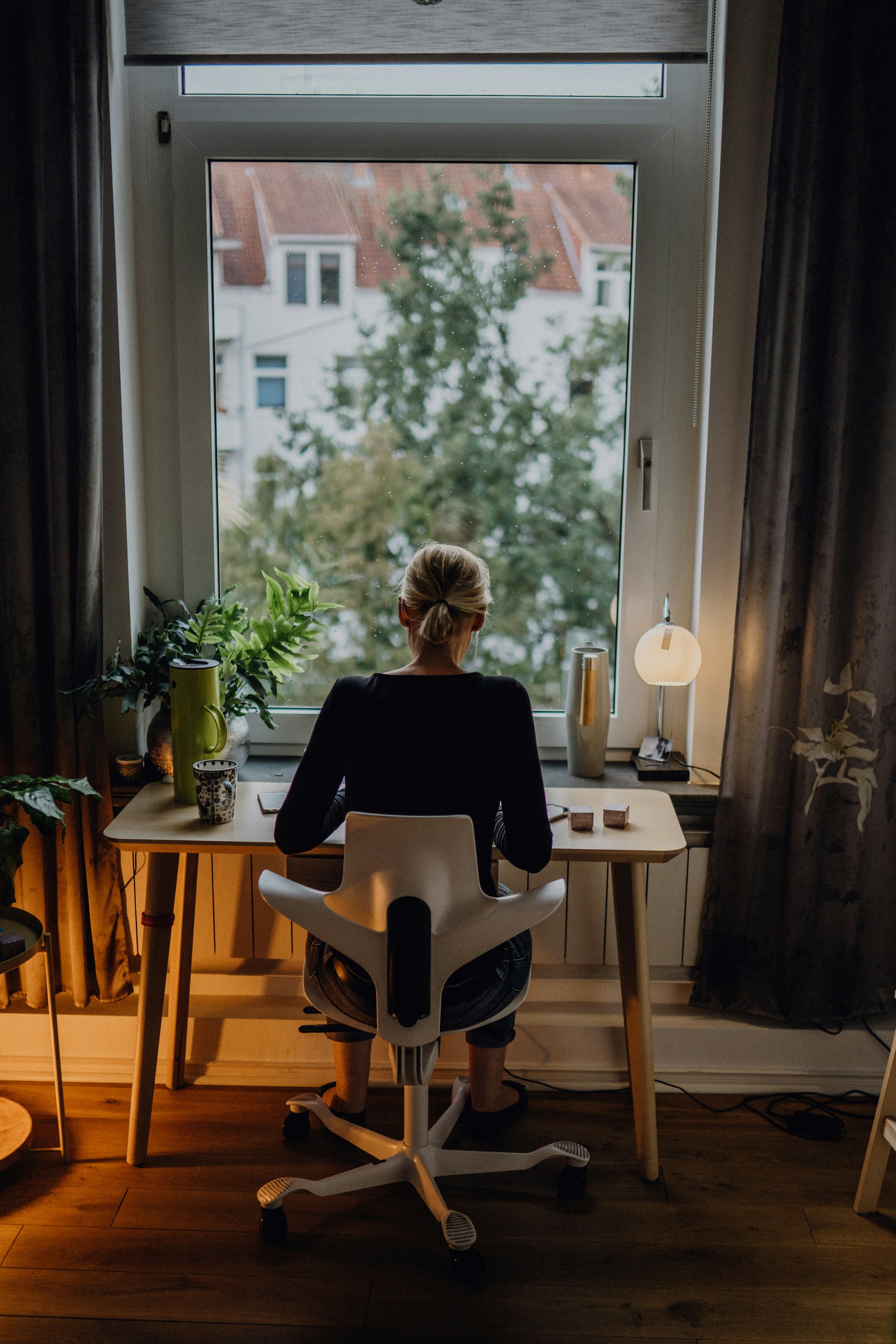
Can You Have a Successful Career As a Woman with Anxiety?
In my 20+ years of working with people experiencing anxiety, stress, and burnout, I've met professionals in a variety of fields who have built meaningful and successful careers. Anxiety didn't stop them from succeeding, but it often made success feel much harder than it needed to be.

How Do I Choose the Right Therapist for Me?
Choosing the right therapist isn't about finding the person with the most credentials or the perfect therapy modality, it's about finding someone you feel comfortable with, understood by, and safe enough to be vulnerable with. Look for a therapist who has experience with the concerns you're facing, offers a free consultation, and whose approach resonates with you.
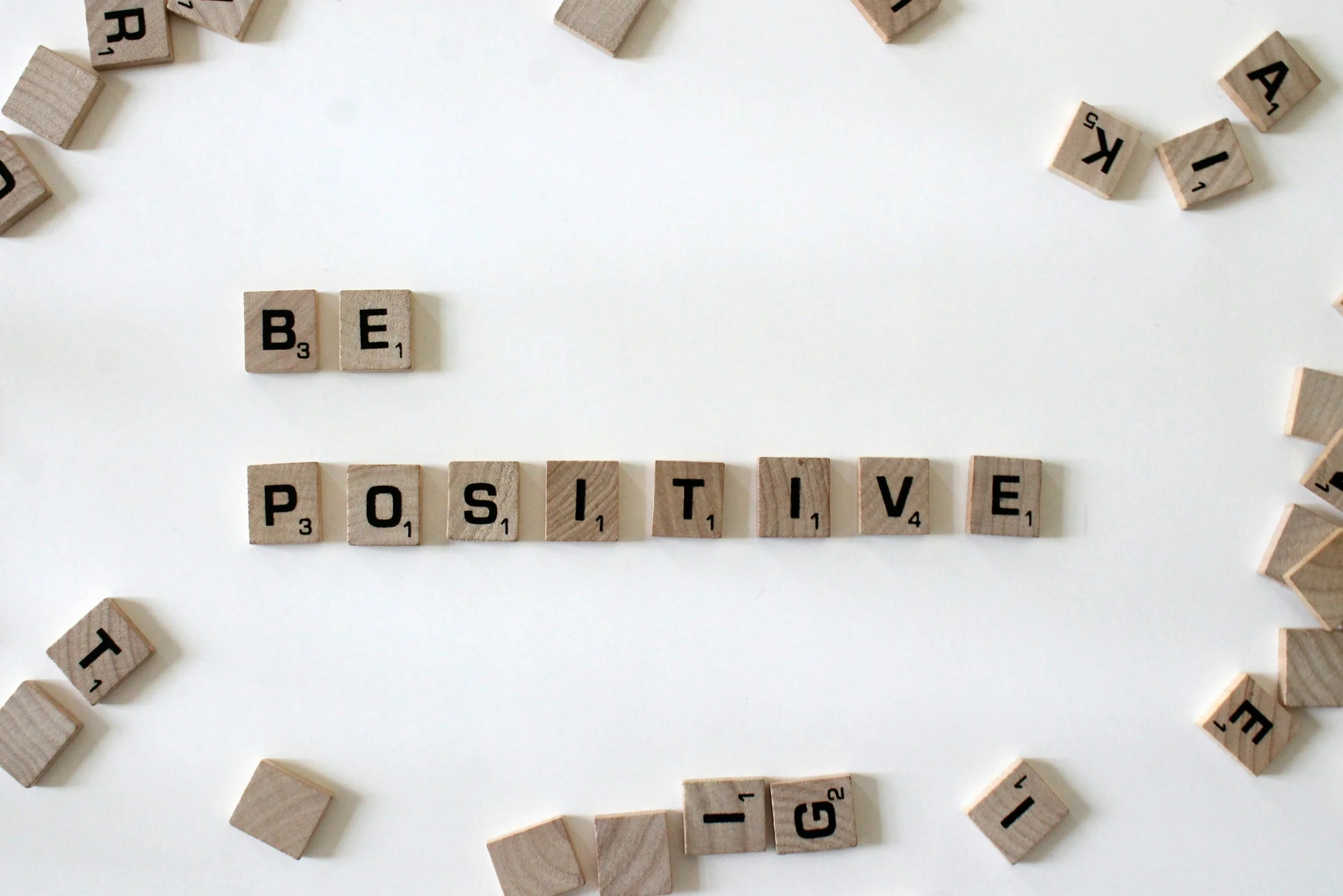
Toxic Positivity; What is it and How Can it Impact Your Mental Health
Mental health awareness often emphasizes staying positive but that doesn’t always reflect real emotional experiences. Toxic positivity can unintentionally invalidate difficult feelings by pushing them aside too quickly. For more information on toxic positivity, click here.

What Is High-Functioning Anxiety? Signs, Causes, and How Therapy Can Help
High-functioning anxiety is when you look capable, productive, and on top of things on the outside, while feeling tense, overwhelmed, or constantly on edge on the inside. Does this sound like you? Read on to find out more.
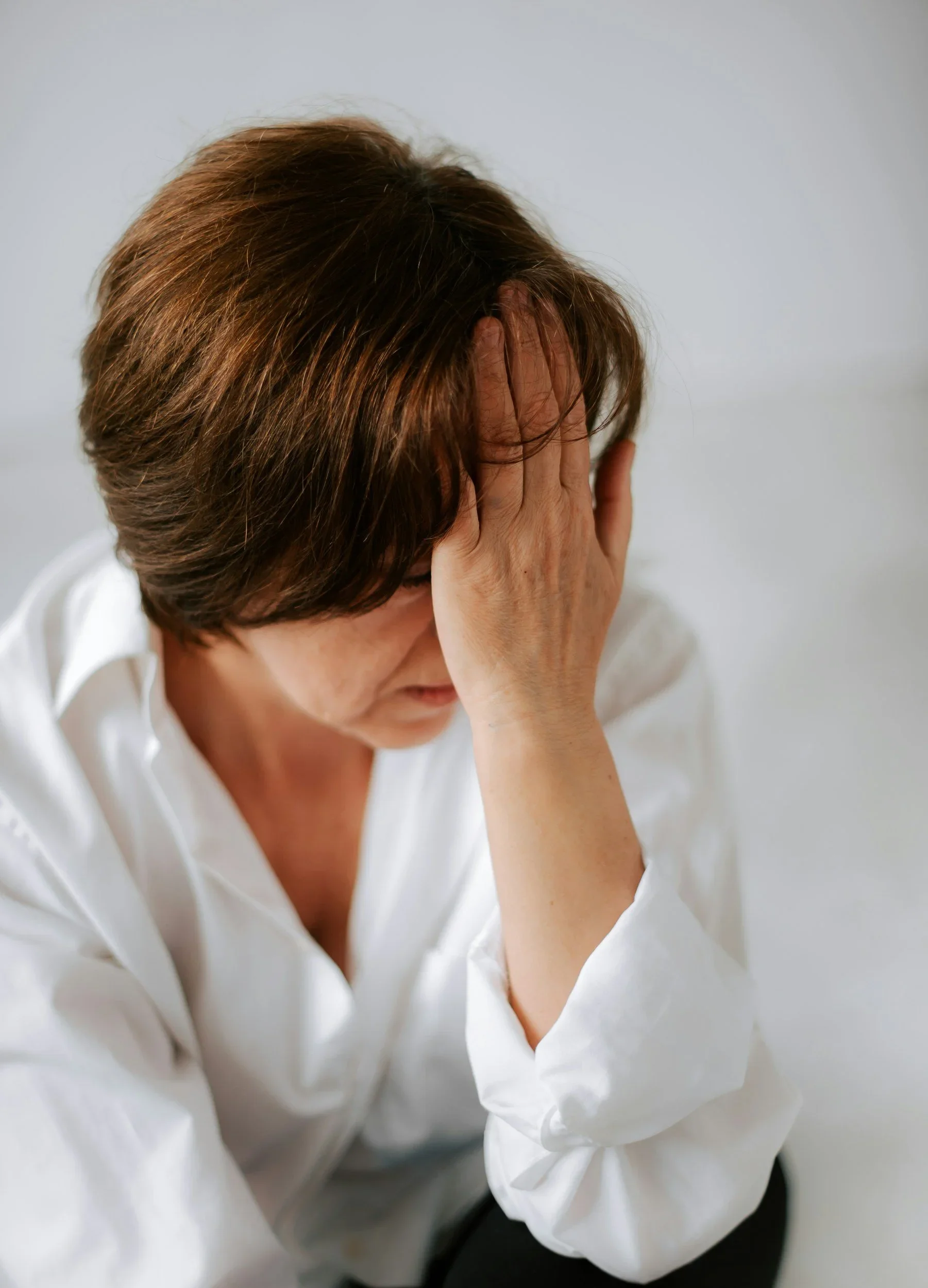
What Chronic Stress Does to the Body
When stress becomes constant, your body stays in survival mode, leading to physical symptoms like tension, fatigue, poor sleep, and irritability. Chronic stress can impact your immune system, relationships and mental health. While stressors are often unavoidable, stress itself can be managed and processed. Managing stress is easy; some strategies include exercise, affection, relaxation exercises, sleep, or changing thoughts or beliefs. However implementing the strategies is not easy, causing the nervous system to get stuck - either feeling wired and “on” or exhausted and “shutdown.”

Why Spring Can Increase Anxiety Instead of Relieve It
Spring anxiety is more common than people realize, and seasonal transitions can affect your nervous system. Instead of relief and excitement, you might notice feeling more restless. More anxious. More on edge. Your mind might feel busier, your body more activated, and your emotions a bit harder to regulate. If you are interested to find out more information on why this might be happening and some things you can do to feel better, click here and read my blog.

Can’t Relax Without Feeling Guilty? Your Nervous System May Be the Reason
Many busy, high-functioning women struggle with productivity guilt; that uncomfortable feeling that shows up when you slow down, rest, or take time for yourself. Even when you know you deserve a break, it can feel strangely difficult to actually relax. Let’s explore why productivity guilt happens, how the nervous system plays a role, and what can help shift this pattern over time.
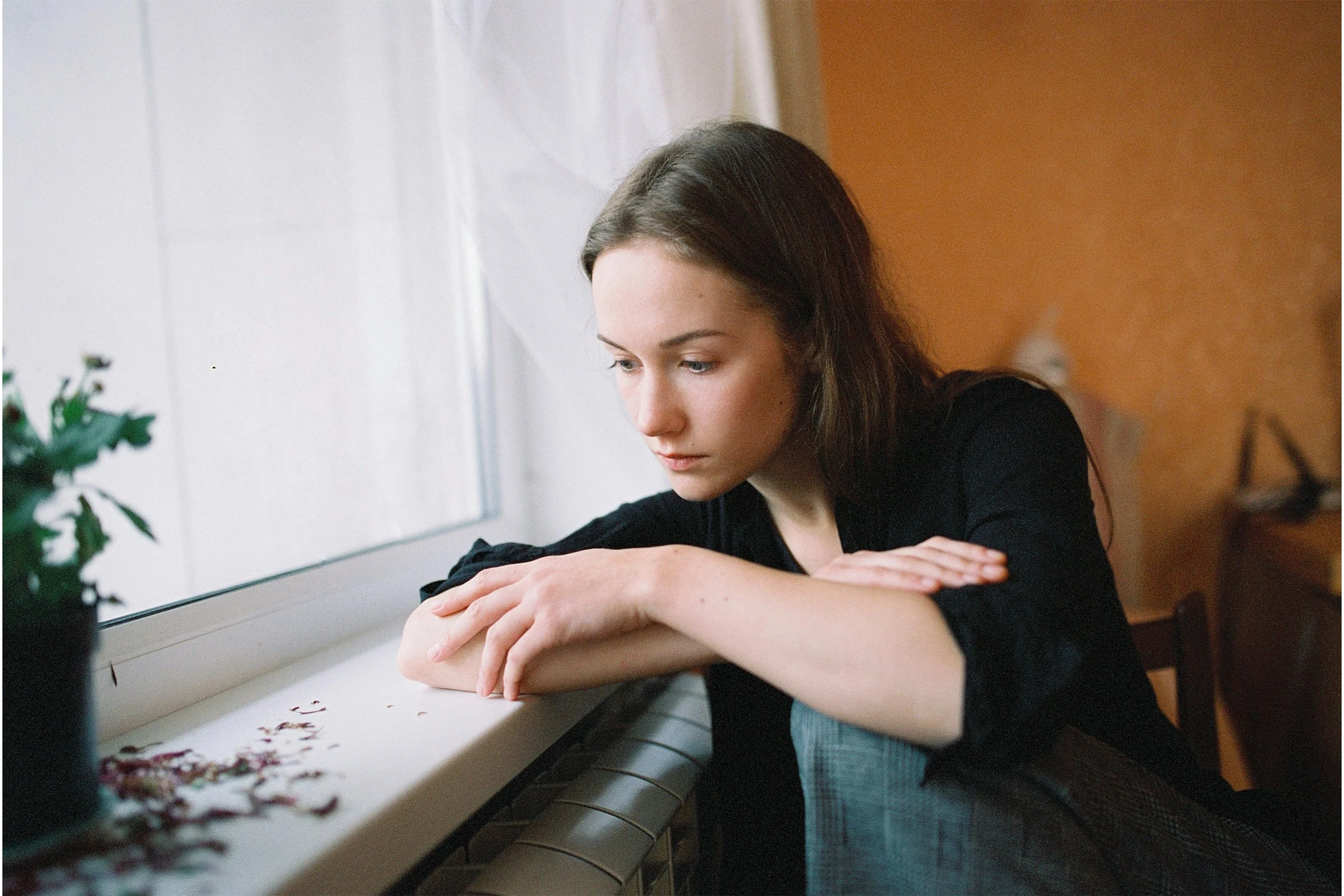
Anxiety: Practices to Help Untangle Fear From Facts
If you live with anxiety, you likely know how convincing fear can feel. A single thought can spiral into a sense of urgency, dread, or certainty that something bad is about to happen. Even when part of you knows the fear may not be rational, your body reacts as if it is undeniably true. Continue reading to find out more.

New Year Anxiety: Why the New Year Triggers Anxiety in Some People
The new year is often framed as a fresh start, as something hopeful, motivating, even exciting. Social media, conversations, and cultural messaging tend to focus on new goals, new habits, and a better version of yourself. Yet for many women who are juggling a lot and holding everything (and everyone) together, the start of a new year can feel deeply anxiety-provoking. Read on to find out why and what to do about it.

Why Do I Hate Changes in My Routine?
If changes in routine leave you feeling anxious, irritable, exhausted, or oddly unsettled, you are not alone. For many women juggling professional responsibilities, family life, and the emotional regulation of everyone around them, routine is not just a preference. It is a form of stability. Click on the blog to discover practical tools that can ease the overwhelm during change.

Mental Health After the Holidays: Coping with the January Slump
Once the holidays are over, many people expect to feel relief because there is less pressure, fewer obligations, and a return to routine. Yet for many women, January brings an unexpected emotional crash. Read on to find out why and what you can do about it.

Mental Health Goals for the New Year: What Works
As a new year begins, many people feel pressure to make big changes and to “get it together.” To fix what feels broken, be more disciplined, more productive, more motivated all at once. Click here to find out how to create mental health goals that stick.

10 Tips for Coping with Social Anxiety for Children and Teens
Social anxiety causes people to feel intense fears or anxiety in social situations. This fear comes up in situations where they feel they may be evaluated, judged or scrutinized by others. Social anxiety can be a challenging experience for children and teens. It can make everyday activities, like attending school or hanging out with friends, feel overwhelming. However, there are effective strategies that can help manage these feelings and build confidence. Read this post to learn some tips for coping with social anxiety.

Understanding OCD in Children and Teens: A Comprehensive Guide
Obsessive-Compulsive Disorder (OCD) is often misunderstood, particularly when it comes to children and adolescents. It’s not just about being neat or organized; OCD can significantly impact a young person’s daily life. Read this post to find out more.

Performance Anxiety. What is it and how can I help my child?
Performance anxiety is an excessive feeling of fear, nervousness or dread related to not being able to perform well, (failing being judged or criticized). How does it show up in children and teens and how can parents help.

What is Anxiety
Anxiety is a normal and necessary emotion, let’s discuss how it effects us.

Symptoms of anxiety in teens
Teens have different worries than children. The following is a list of some of the symptoms that you might see in your anxious teen and if you need help, reach out to me.

Digital Age Anxiety—How Technology Affects Our Mental Well-Being
Have you noticed your anxiety levels dropping when you have the chance to step away from technology for a few days? Maybe you feel especially calm when you are hiking or camping.