

Mental Health Blog - Anxiety, OCD and Overwhelm

What’s the Difference Between Regular Therapy And A Therapy Intensive?
Weekly therapy works well for many people, but sometimes 50 minutes just doesn’t feel like enough. Learn how therapy intensives are different, who might benefit and how to decide which format may be a better fit for you.

Is Perfectionism a Sign of OCD?
Perfectionism and OCD can look surprisingly similar from the outside. The important distinction isn’t only what you’re doing, but what is happening underneath the behaviour and what is driving you to keep doing it. Read the blog to learn more about the differences and similarities of perfectionism and OCD.

Can You Have a Successful Career As a Woman with Anxiety?
In my 20+ years of working with people experiencing anxiety, stress, and burnout, I've met professionals in a variety of fields who have built meaningful and successful careers. Anxiety didn't stop them from succeeding, but it often made success feel much harder than it needed to be.

What Should I Expect From OCD Therapy
OCD therapy begins by helping you understand how OCD works, why you feel stuck, and how your unique obsessions and compulsions are keeping the cycle going. Together, we'll build skills to regulate your nervous system before using evidence-based approaches. Therapy moves at a pace that feels challenging but manageable, with the goal of helping you break free from OCD's grip, regain confidence in yourself, and spend less time controlled by intrusive thoughts and compulsions.

How Do I Choose the Right Therapist for Me?
Choosing the right therapist isn't about finding the person with the most credentials or the perfect therapy modality, it's about finding someone you feel comfortable with, understood by, and safe enough to be vulnerable with. Look for a therapist who has experience with the concerns you're facing, offers a free consultation, and whose approach resonates with you.
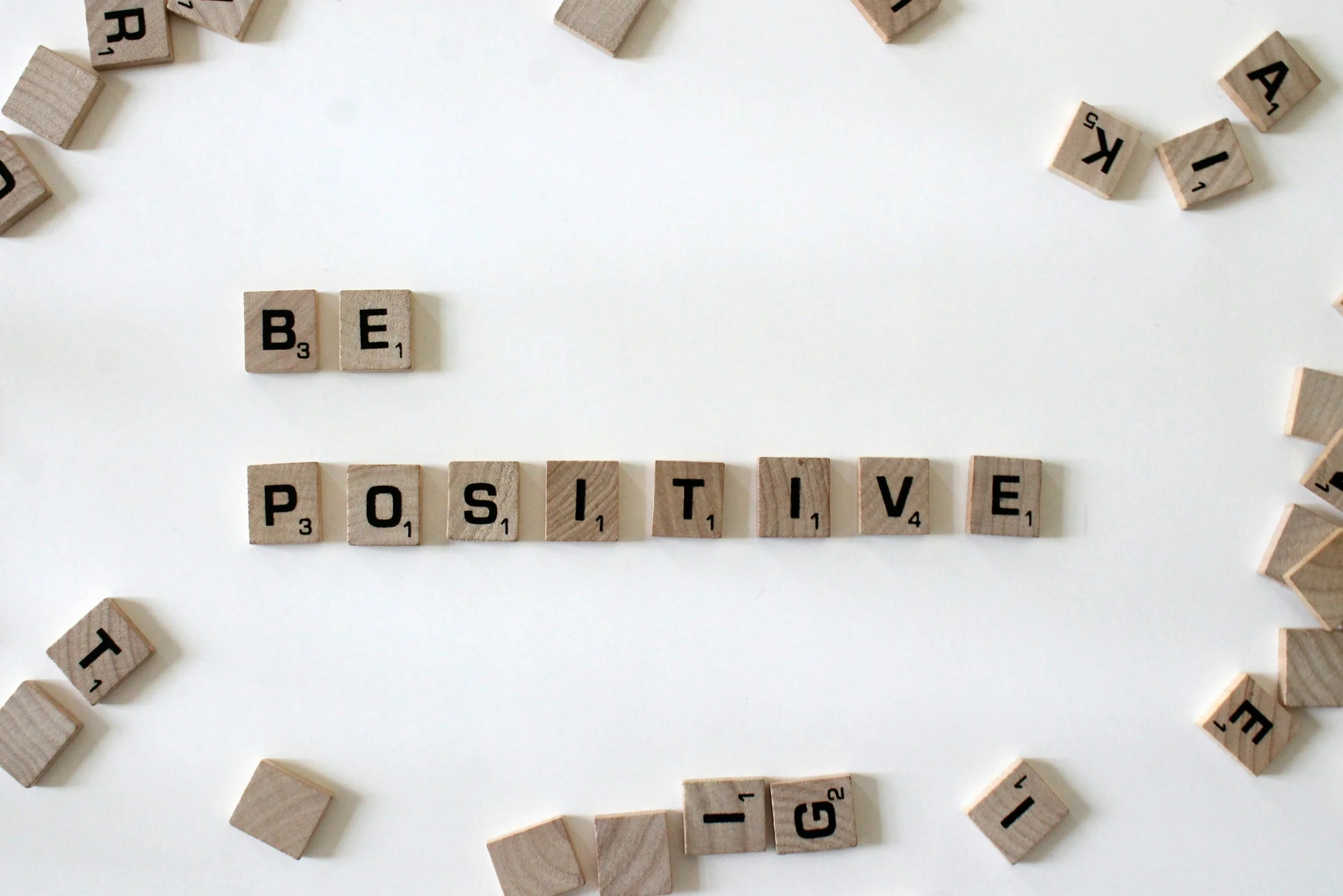
Toxic Positivity; What is it and How Can it Impact Your Mental Health
Mental health awareness often emphasizes staying positive but that doesn’t always reflect real emotional experiences. Toxic positivity can unintentionally invalidate difficult feelings by pushing them aside too quickly. For more information on toxic positivity, click here.

What Is High-Functioning Anxiety? Signs, Causes, and How Therapy Can Help
High-functioning anxiety is when you look capable, productive, and on top of things on the outside, while feeling tense, overwhelmed, or constantly on edge on the inside. Does this sound like you? Read on to find out more.

What Chronic Stress Does to the Body
When stress becomes constant, your body stays in survival mode, leading to physical symptoms like tension, fatigue, poor sleep, and irritability. Chronic stress can impact your immune system, relationships and mental health. While stressors are often unavoidable, stress itself can be managed and processed. Managing stress is easy; some strategies include exercise, affection, relaxation exercises, sleep, or changing thoughts or beliefs. However implementing the strategies is not easy, causing the nervous system to get stuck - either feeling wired and “on” or exhausted and “shutdown.”

Why Spring Can Increase Anxiety Instead of Relieve It
Spring anxiety is more common than people realize, and seasonal transitions can affect your nervous system. Instead of relief and excitement, you might notice feeling more restless. More anxious. More on edge. Your mind might feel busier, your body more activated, and your emotions a bit harder to regulate. If you are interested to find out more information on why this might be happening and some things you can do to feel better, click here and read my blog.

Can’t Relax Without Feeling Guilty? Your Nervous System May Be the Reason
Many busy, high-functioning women struggle with productivity guilt; that uncomfortable feeling that shows up when you slow down, rest, or take time for yourself. Even when you know you deserve a break, it can feel strangely difficult to actually relax. Let’s explore why productivity guilt happens, how the nervous system plays a role, and what can help shift this pattern over time.

Obsessive Compulsive Disorder (OCD): What It Is, What It Isn’t, and Getting Help
Many high-functioning women quietly live with symptoms of Obsessive Compulsive Disorder (OCD) without realizing that what they’re experiencing has a name and that effective help exists. Let’s talk about what OCD actually is, how it can show up, and how therapy can help. Click here to find out more.

Understanding Attachment Styles in Adult Relationships
Attachment styles are patterns of relating to others that develop early in life based on our experiences of safety, responsiveness, and connection with caregivers. They are adaptations your nervous system developed to protect you. Understanding these patterns can help you navigate relationships with more clarity, compassion, and safety.

What Emotional Safety Actually Means in Relationships
We hear the phrase emotional safety in relationships often. It’s talked about in therapy spaces, on social media, and in conversations about healthy marriage. But it’s rarely clearly defined.
So what does emotional safety actually mean? And why can it feel so hard to build, even in relationships that look good from the outside?

Anxiety: Practices to Help Untangle Fear From Facts
If you live with anxiety, you likely know how convincing fear can feel. A single thought can spiral into a sense of urgency, dread, or certainty that something bad is about to happen. Even when part of you knows the fear may not be rational, your body reacts as if it is undeniably true. Continue reading to find out more.

New Year Anxiety: Why the New Year Triggers Anxiety in Some People
The new year is often framed as a fresh start, as something hopeful, motivating, even exciting. Social media, conversations, and cultural messaging tend to focus on new goals, new habits, and a better version of yourself. Yet for many women who are juggling a lot and holding everything (and everyone) together, the start of a new year can feel deeply anxiety-provoking. Read on to find out why and what to do about it.

Why Do I Hate Changes in My Routine?
If changes in routine leave you feeling anxious, irritable, exhausted, or oddly unsettled, you are not alone. For many women juggling professional responsibilities, family life, and the emotional regulation of everyone around them, routine is not just a preference. It is a form of stability. Click on the blog to discover practical tools that can ease the overwhelm during change.

Mental Health After the Holidays: Coping with the January Slump
Once the holidays are over, many people expect to feel relief because there is less pressure, fewer obligations, and a return to routine. Yet for many women, January brings an unexpected emotional crash. Read on to find out why and what you can do about it.

Mental Health Goals for the New Year: What Works
As a new year begins, many people feel pressure to make big changes and to “get it together.” To fix what feels broken, be more disciplined, more productive, more motivated all at once. Click here to find out how to create mental health goals that stick.

How Therapy Can Help Children Navigate Big Feelings
In child therapy, the goal isn’t to get rid of big emotions—it’s to help children understand, express, and cope with them in healthy ways. Read more to find out how therapy can make a lasting difference.

How to Teach Your Child Emotional Intelligence
Emotional intelligence (EI) can be described as an ability to identify, understand, and manage emotions in ourselves and others. For children, learning emotional intelligence can be a transformative experience, setting the foundation for healthy relationships, improved academic performance, and greater mental well-being. Click here to learn how to teach your children emotional intelligence.