
Toxic Positivity; What is it and How Can it Impact Your Mental Health
TL;DR
Mental health awareness often emphasizes staying positive but that doesn’t always reflect real emotional experiences. Toxic positivity can unintentionally invalidate difficult feelings by pushing them aside too quickly. Real support includes emotional validation, honesty, and space for the full range of human experience. If you’re feeling frustrated or disconnected by overly positive messaging remember that not all feelings should or need to be reframed into something positive. If you are having difficulty identifying how to navigate your emotions, consider reaching out to a therapist for guidance.
Mental Health Awareness Without Toxic Positivity
At New Directions Counselling, we support women in Burlington, Ontario and virtually across Ontario who are navigating anxiety, stress, burnout, and feeling emotionally overwhelmed, especially when common mental health messages don’t quite resonate. Mental health awareness has become more visible and widely discussed, which is a positive shift. But for many women, the messaging can sometimes feel disconnected from real, lived experience.
You might see phrases like “just stay positive,” “everything happens for a reason,” or “look on the bright side.” While these are often well-intentioned, they can land in a way that feels minimizing, especially when you’re already struggling.
Positivity has a place. But it isn’t always what’s needed.
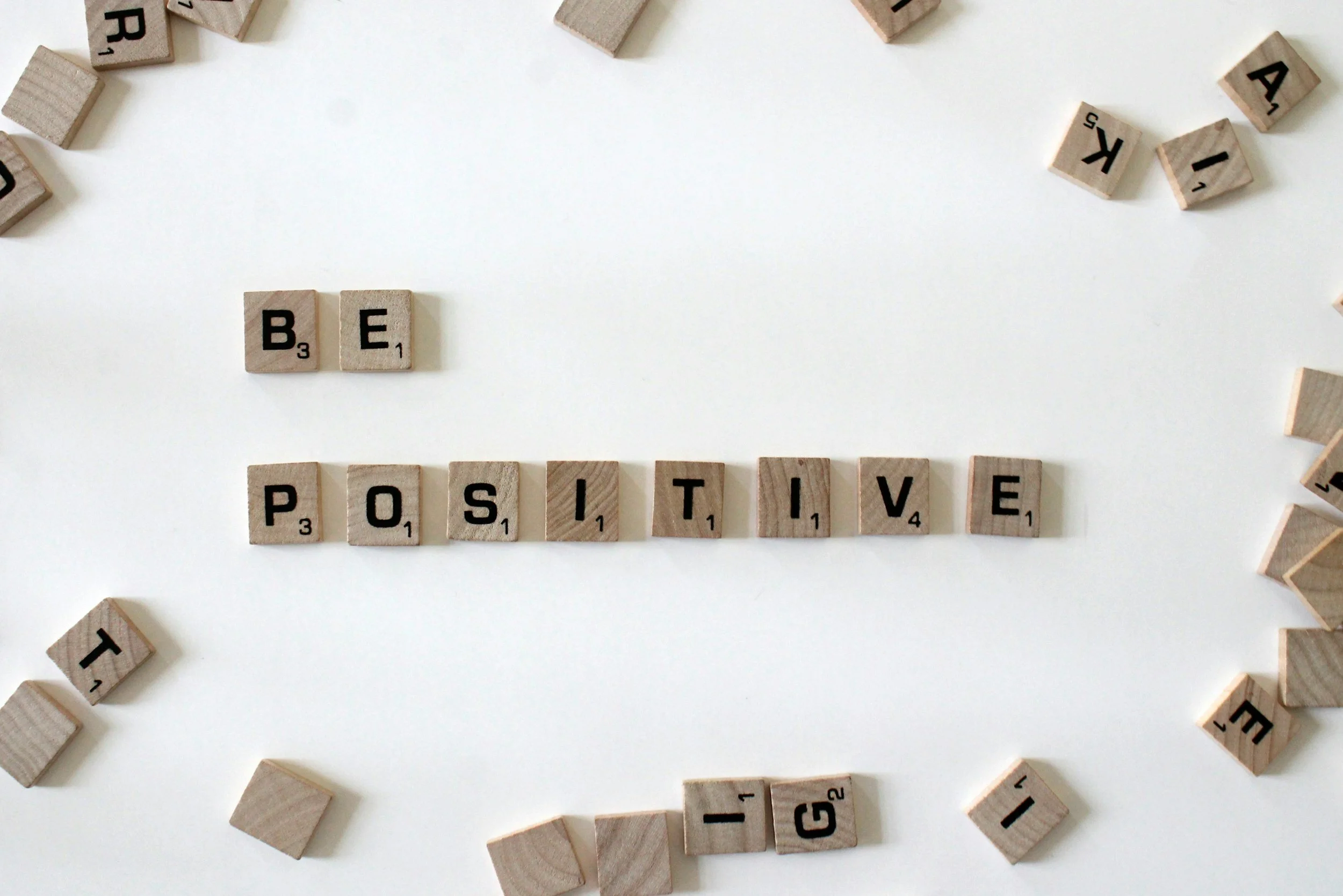
What Is Toxic Positivity?
Toxic positivity is the pressure to maintain a positive mindset regardless of what you’re going through. It shows up as an expectation (sometimes from others, sometimes internal) that difficult emotions should be quickly reframed, avoided, or replaced with something more “acceptable.”
It can sound like:
“It could be worse”
“Try to focus on the good”
“Everything will work out”
Or even internally:
“I shouldn’t feel this way”
“I just need to be more positive”
“Why can’t I just get past this?”
The intention behind these messages is often to help. But when positivity becomes a requirement rather than an option, it can create distance from your actual emotional experience.
How It Can Impact You
When difficult emotions are minimized or reframed too quickly, it can have a subtle but significant impact on how you relate to yourself over time.
Many of the messages around us, whether from social media, workplace culture, or even well-meaning friends and family, encourage us to move out of discomfort as quickly as possible. You might hear things like “try not to dwell on it,” “focus on the positive,” or “it’ll pass.” These responses are often intended to help, to soothe, or to protect. But they can also unintentionally send the message that certain feelings are not okay to have.
Over time, this can lead to:
Emotional suppression: pushing feelings aside before they’ve had a chance to be understood
Self-doubt: questioning whether your reactions are valid or “too much”
Internal pressure: feeling like you should be able to handle things differently
Disconnection: losing touch with what you’re actually feeling and needing
Instead of learning how to process emotions, you may start trying to manage them by overriding them.
This can look like:
quickly talking yourself out of how you feel
distracting or staying busy to avoid sitting with emotions
trying to reframe before you’ve fully acknowledged what’s there
feeling frustrated that the same emotions keep coming back
For many women, especially those who are used to being capable, supportive, and holding things together, this pattern can become deeply ingrained. You may become very good at appearing okay, while internally feeling overwhelmed, tense, or unsure what to do with your emotions.
The impact isn’t just about feeling unheard by others, it can become an internal experience of not fully hearing yourself.
And when your emotional experience is repeatedly minimized, even in subtle ways, it becomes harder to:
trust your own reactions
understand what you need
respond to stress in a way that actually helps
What starts as well-intentioned encouragement to “stay positive” can gradually turn into a pattern of not allowing yourself to fully feel, process, and move through difficult emotions.
What Real Support Looks Like
If the goal isn’t to force positivity, then what actually helps?
Real support starts with emotional validation—the understanding that your feelings make sense in the context of your experience, even if they’re uncomfortable or difficult.
Instead of trying to change or fix what you’re feeling right away, support looks like:
slowing down enough to notice what’s actually there
allowing emotions to exist without rushing to reframe them
getting curious about what those feelings might be telling you
This doesn’t mean staying stuck in difficult emotions. It means giving them enough space to be understood so they can move through, rather than be pushed aside and return later.
Over time, this approach helps build:
greater self-awareness
more trust in your own emotional experience
the ability to respond, rather than react
It also creates a sense of emotional safety, both internally and in your relationships, where you don’t have to filter or minimize what you’re feeling to be accepted.
Need for Change?
If you’ve been trying to stay positive but it’s not helping, and you’re left feeling more overwhelmed, confused, or unsure what to do with your emotions, you’re not doing anything wrong. You may just need a different way of understanding and responding to what you’re feeling.
Support doesn’t have to mean pushing your emotions aside or trying to feel better right away. It can look like having space to make sense of what’s coming up, at your own pace, and learning how to respond in a way that feels more manageable and grounded.
If that’s something you’re looking for, therapy can offer a space where your full experience is welcomed, not minimized, rushed, or reframed before you’re ready.

About the author; Ljuba Udovc RP, BA, CYC, is a Registered Psychotherapist with 25 years experience supporting clients in Ontario. She specializes in anxiety therapy and provides both in-person sessions in Burlington, Ontario, or virtual sessions for individuals who live throughout Ontario. Click the button to reach out now.